Treatments.
Every treatment has a role. The correct recommendation depends on what is driving facial ageing, not simply where a concern appears.
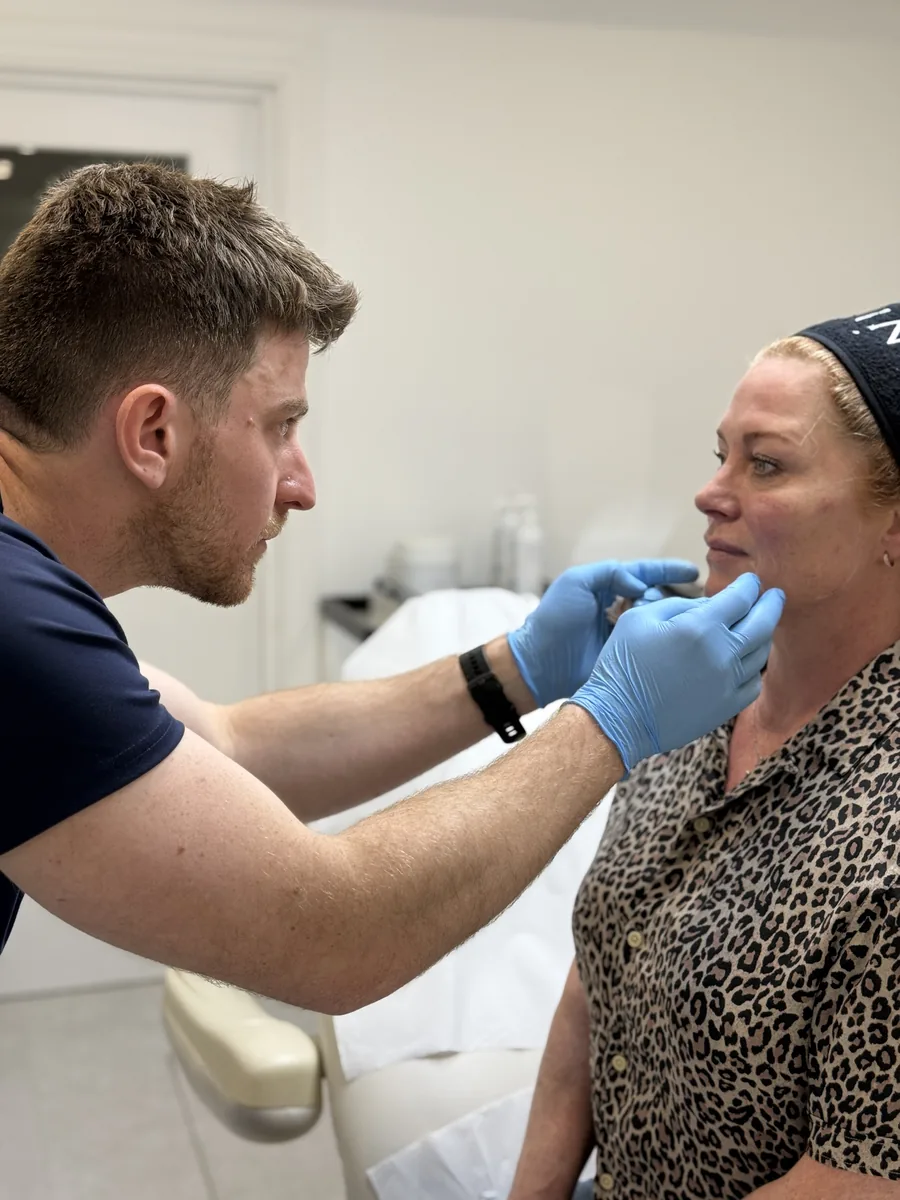
Treatment follows
assessment.
Facial ageing is rarely caused by a single factor. Changes in skin quality, muscle activity, volume and structural support all interact, and they interact differently in every face. A line that appears in the same location on two patients may have entirely different causes.
Because of this, treatment should never begin with selecting a procedure. It should begin with understanding what is actually happening. The assessment evaluates skin, movement and structure as a connected system, not as isolated complaints. Only when that picture is clear does a treatment plan make sense.
The consultation is where this process begins. It is not a preamble to treatment. It is the clinical foundation on which every recommendation is built.
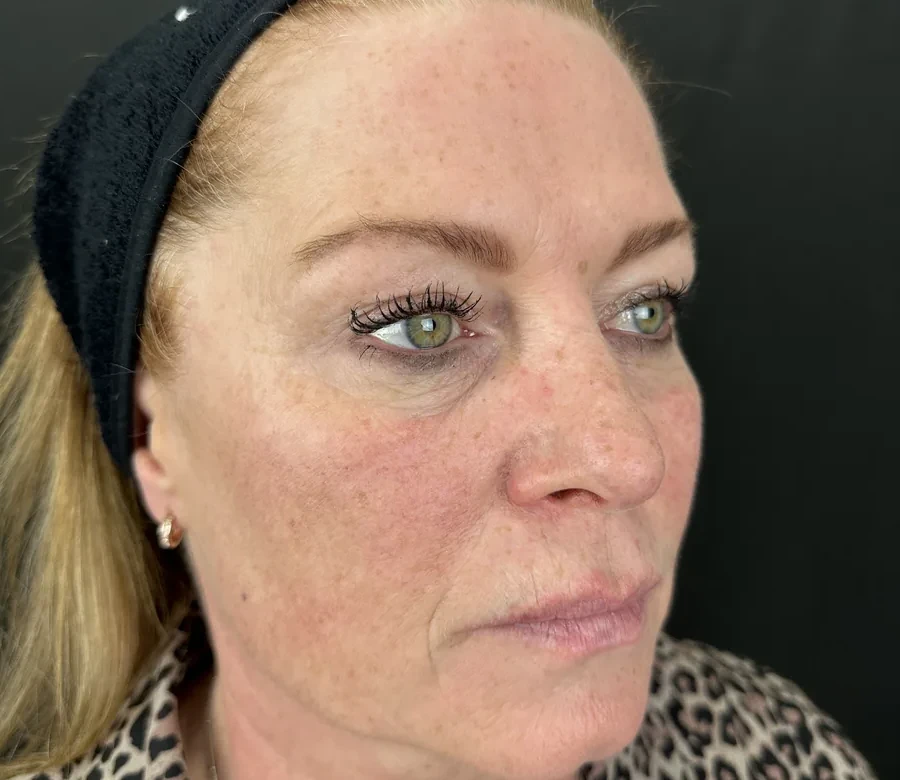
The three pillars of
facial rejuvenation.
Skin
Skin quality, texture, collagen, elasticity and overall skin health. The visible surface of the face is assessed as a clinical baseline, what is present, what is declining, and what treatment can reasonably support.
Movement
Facial muscle activity and the changes it creates over time. Understanding how a face moves, which muscles are dominant, where tension accumulates, how expression lines form, informs where to intervene and, equally, where to leave alone.
Structure
Volume loss, support, proportion and age-related structural change. Assessing structure means evaluating bone, fat compartments and soft tissue together, identifying where support has been lost and what is needed to restore balance without distorting proportion.
Most patients benefit from attention across more than one pillar rather than a single treatment category. Treatments are selected according to which pillar, or combination of pillars, requires attention.
Biostimulators.
Supporting collagen, improving tissue quality and promoting long-term rejuvenation.
Biostimulators work differently from traditional volumising treatments. Rather than simply adding volume to replace what has been lost, they stimulate the body's own collagen production and support the tissue framework of the face over time.
This distinction matters clinically. The result is not an immediate change in shape, but a gradual improvement in skin quality, tissue density and structural support, changes that develop over weeks and continue to improve for months. The outcome is one that looks natural because it is built by the body itself.
Whether a biostimulator is appropriate, and which one, depends entirely on the findings of the assessment and the treatment plan.
HarmonyCa
Combines immediate structural support with progressive collagen stimulation. Addresses both the structural and skin pillars simultaneously, particularly appropriate for mid-face rejuvenation where volume and tissue quality require attention together.
Sculptra
A poly-L-lactic acid biostimulator that progressively rebuilds collagen over time. Applicable across a wider range of areas than most aesthetic treatments, including the face, neck, décolletage, arms, legs and areas of skin laxity.
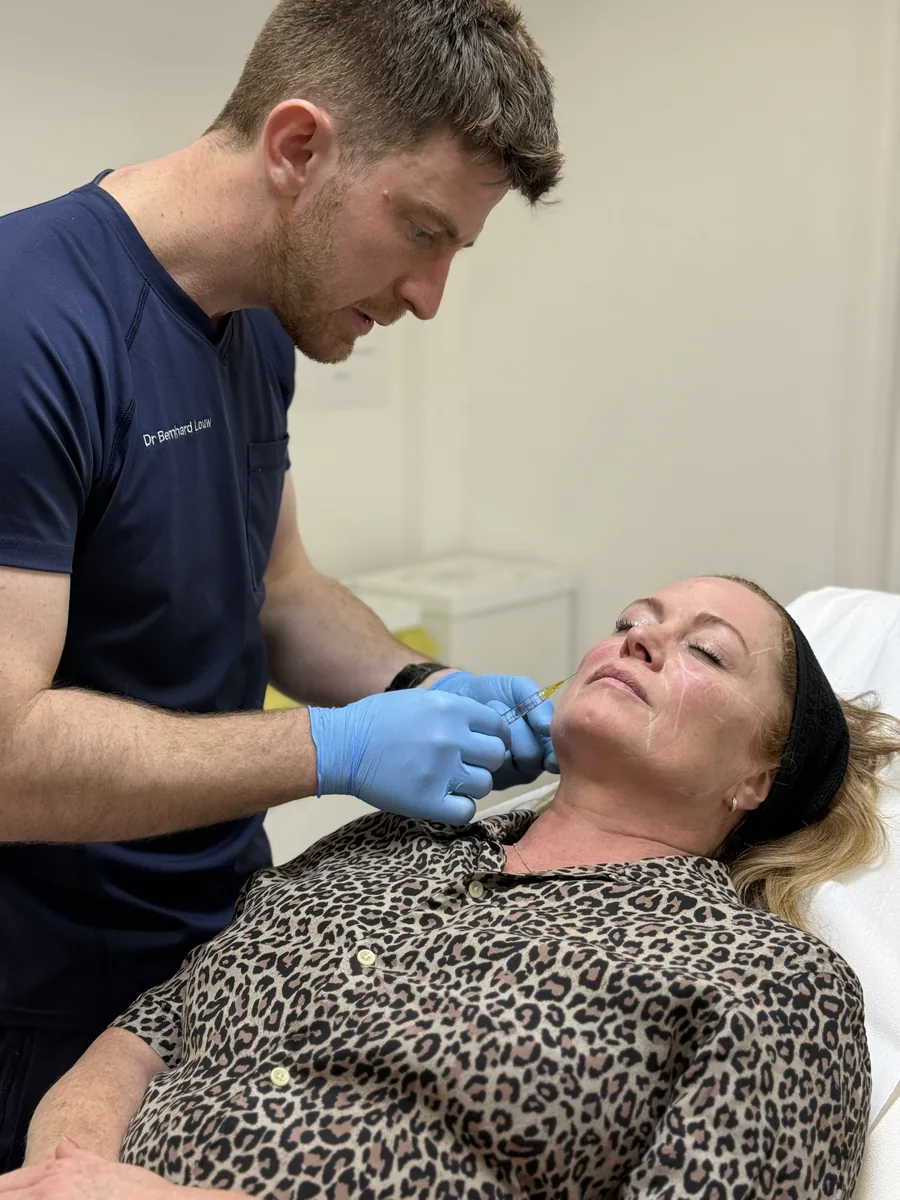
How recommendations
are made.
Assessment
A full-face evaluation of skin, movement and structure. Nothing is recommended until the assessment is complete. The findings determine everything that follows, including whether treatment is appropriate at all.
Personalised Plan
Recommendations are built from the assessment findings, the patient's goals and long-term considerations. The plan determines which treatments are appropriate, which are not, and in what sequence they should be delivered. It considers how the face will continue to age, not only how it looks today.
Treatment & Review
Treatment is carried out in accordance with the plan. Results are reviewed and adjustments made over time. The aim is a long-term clinical relationship in which the face is continually reassessed, and the goal at every stage is results that look natural and keep pace with how you age.
Natural results
require restraint.
The goal is not to perform the maximum number of treatments. The goal is to recommend what is appropriate. Natural-looking outcomes are not the result of doing more, they are the result of thorough assessment, careful planning and the clinical judgement to recommend less rather than more. That standard applies to every patient, at every stage of the process.
Your assessment
begins here.
The first step is a consultation, not a treatment. Dr. Berns will assess your face in full, explain his findings, and recommend a plan.